How to Import Used Machine Tools from China: A Practical Guide for Buyers
Let's be honest: buying a used machine tool from halfway around the world feels risky. What if the spindle is damaged? What if it never arrives? What if customs holds it for months?
I've been exporting used machine tools from China for years. Every week I talk to buyers in the US, Europe, the Middle East, Southeast Asia, and Africa who are nervous about exactly these things.
This guide walks you through the real process — what to prepare, what to pay attention to, and where buyers usually get burned.
Why buy used machine tools from China in the first place?
China has built more machine tools over the last 30 years than almost any other country combined. Factories upgrade, relocate, or shut down, and a huge supply of used lathes, mills, grinders, press brakes, shears, and VMCs shows up on the domestic market.
The result is simple:
- Prices are often 40%–60% lower than comparable machines in Europe or North America.
- Most popular models (Chinese-branded lathes, mills, press brakes) have cheap, available spare parts worldwide.
- Many machines are only 5–15 years old — not antiques.
You're not buying someone's 1980s workshop project. You're buying equipment that was running in a Chinese factory last quarter.
Step 1: Know exactly what you need before you message anyone
The #1 mistake buyers make is sending a message like "I want a used CNC mill, send me price."
A supplier can't quote you anything useful, and you'll get spammed by ten different sellers with ten different machines at ten different prices.
Before you contact anyone, write down:
- Machine type (lathe, mill, grinder, press brake, VMC, etc.)
- Key working dimensions (swing over bed, table size, X/Y/Z travel, tonnage)
- Year or condition preference (any year / post-2015 / rebuild)
- Control system (Fanuc, Siemens, GSK, or manual)
- Your budget range (rough is fine)
- Your port of destination
Send these six things in your first message. Good suppliers will reply with 2–3 matching machines and real photos within 24 hours.
Step 2: Find the right supplier (and avoid the wrong ones)
Not every "used machine exporter" is who they claim to be. Watch for:
Red flags:
- Only showing stock photos, never real videos of your machine running.
- Refusing a live video call / WhatsApp video walkaround.
- Quoting 30% below everyone else — usually means the machine has a hidden problem.
- No physical warehouse you can visit on a video tour.
- Asking for 100% payment before shipping.
What a legitimate supplier looks like:
- Has a real warehouse or yard you can see on video.
- Sends you close-up videos of the exact serial-number machine.
- Runs the machine under power on camera (spindle on, table moving, coolant on).
- Provides a written packing list with accessories.
- Works with a standard 30% deposit / 70% against copy of B/L.
Step 3: Inspect before you pay the balance
Never pay the balance before you've seen the machine actually run.
A serious supplier will send you:
- A full walkaround video (every side, every accessory).
- A test run video showing spindle speed change, axis movement, and basic function.
- Close-ups of the nameplate (confirm brand, model, serial number, year).
- Clear photos of any cosmetic damage — honest sellers point out the dents themselves.
If you're buying a high-value machine ($20k+), it's also worth hiring a third-party inspection company in China ($200–$400) to check it in person. That cost is tiny compared to a bad container.
Step 4: Understand the price quote
A real export quote should look like this (FOB Shanghai, for example):
- Machine price
- Export packing (usually a plywood case or nude packing with wax and film)
- China domestic trucking to the port
- Export customs clearance
- FOB Shanghai total
Then sea freight, insurance, import duty, and destination port charges are on you. Ask the supplier to break these out clearly. "All-inclusive" quotes that hide the breakdown usually hide something.
Step 5: Payment terms
Standard for used machinery export:
- 30% T/T deposit to confirm the order and reserve the machine.
- 70% balance against copy of the Bill of Lading (i.e., after the ship has left China).
Avoid:
- Western Union / crypto / personal WeChat transfers.
- 100% upfront before the machine is even loaded.
- Suppliers who refuse a proper sales contract (PI) with machine model and serial number on it.
Step 6: Shipping and logistics
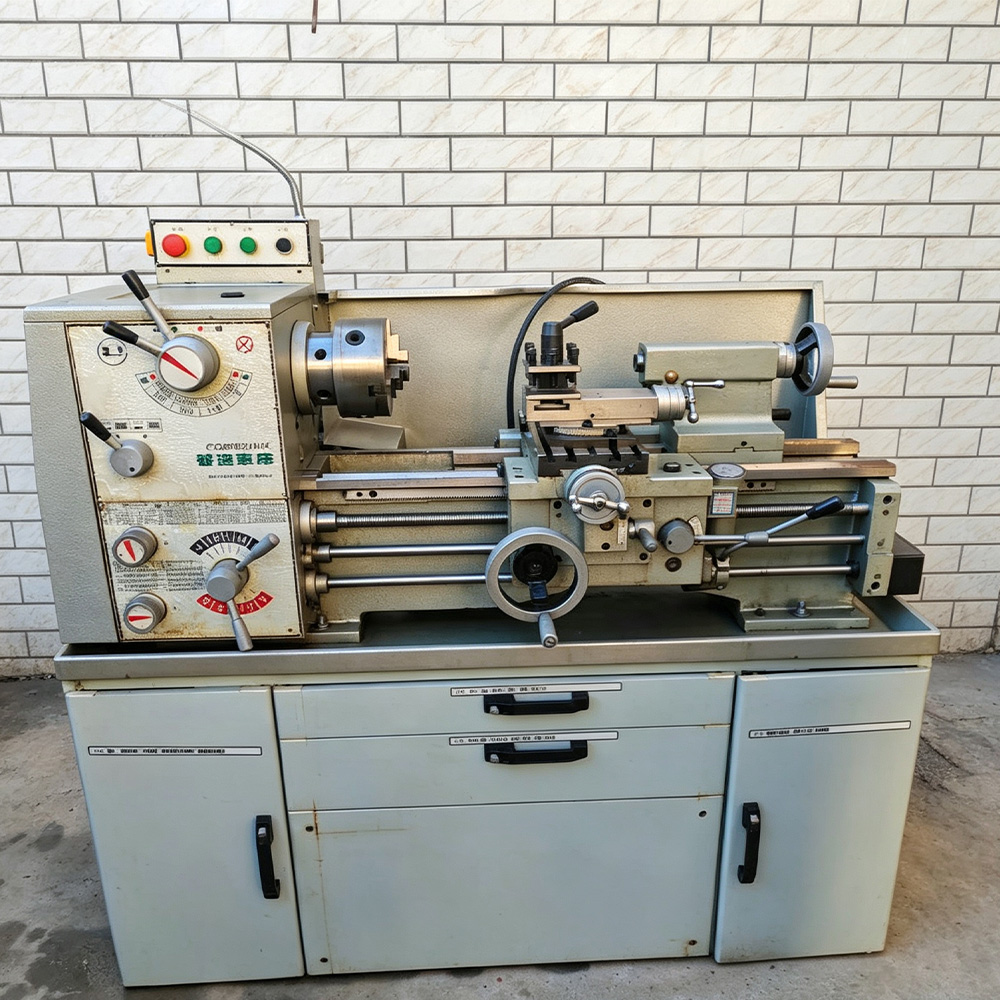
Used machine tools are usually shipped:
- 20GP / 40GP / 40HQ container for single machines.
- LCL (less than container load) for small machines.
- Breakbulk / RORO for oversized equipment.
The supplier handles China-side loading and export. Your forwarder (or the supplier's recommended forwarder) handles ocean freight and destination customs.
Plan for total transit time:
- Southeast Asia: 5–10 days
- Middle East: 18–25 days
- Europe (main ports): 28–35 days
- US West Coast: 18–25 days
- Africa: 30–45 days
Step 7: Import duty and paperwork you need
Make sure the supplier provides:
- Commercial Invoice
- Packing List
- Bill of Lading (B/L)
- Export customs declaration
- Machine specifications sheet
Check your country's duty rate for used machinery — some countries (including the US, Australia, and parts of the EU) have restrictions or age limits on used equipment imports. Confirm with your customs broker before you order, not after the ship sails.
Step 8: Unloading and installation
Be ready on your end:
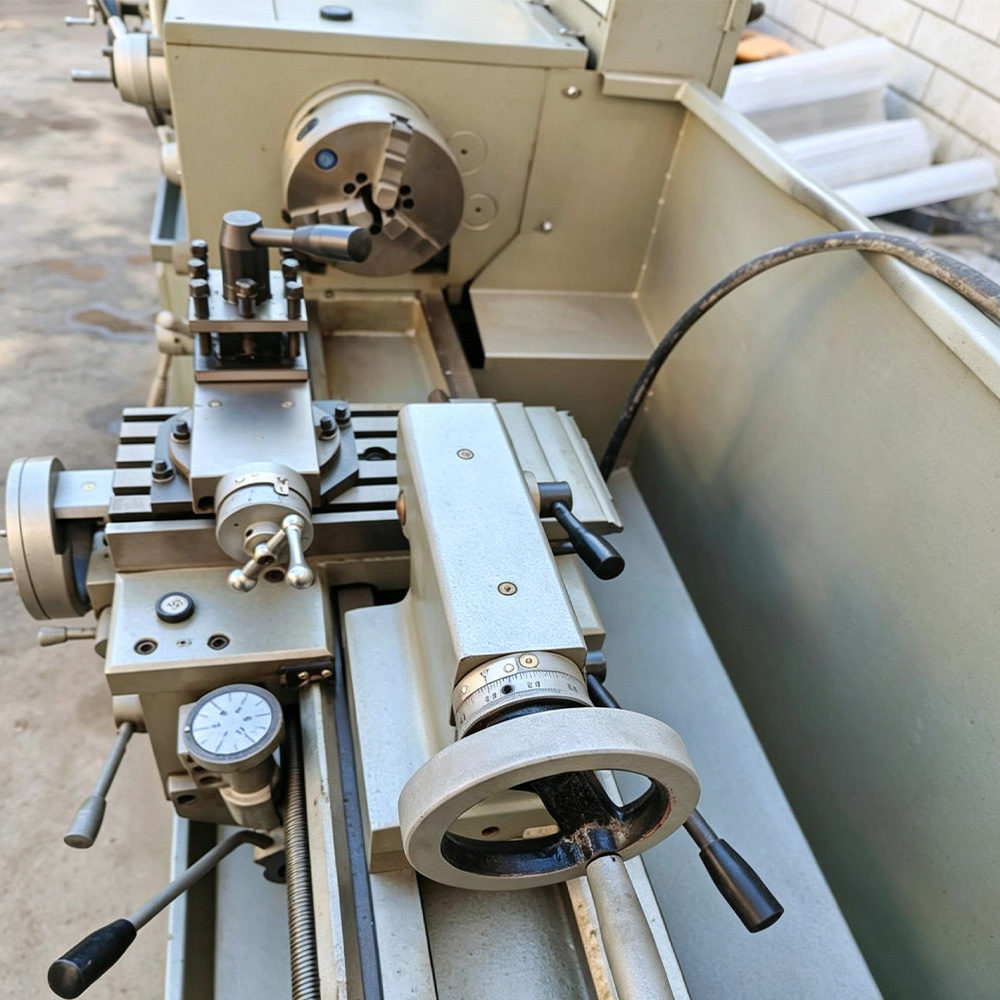
- A forklift or crane big enough for the machine weight (a lathe can weigh 2–5 tons).
- A level concrete foundation.
- Someone who can commission it — either your own electrician or a local tech.
Most used Chinese machines come with a 3-phase motor. Confirm voltage (380V/50Hz is standard in China) and whether you need a transformer or VFD.
Common mistakes buyers make
- Skipping the video inspection to "save time" — this is where 90% of nightmares start.
- Not confirming accessories in writing — then a "complete" machine arrives without chucks, collets, or tool holders.
- Underestimating shipping and duty — the machine price is only half the landed cost.
- Buying a weird non-standard model — spare parts become impossible to find later.
- Choosing on price alone — the $1,000 you saved usually comes back as a $5,000 repair.
Final word
Importing used machine tools from China isn't complicated — it just has a specific process. Find a supplier who lets you see the machine run, puts the model and serial number on the PI, and answers your video calls. The rest is just paperwork and a long sea voyage.
We export inspected, run-tested used machine tools from our warehouse in China — lathes, mills, grinders, press brakes, shears, VMCs, and more. Tell us what you're looking for, and we'll send you real photos, running videos, and a straight FOB quote. Contact us or message us on WhatsApp today.